Breathing life back into Missouri’s lost prairies
Published 11:36 pm Monday, October 19, 2026
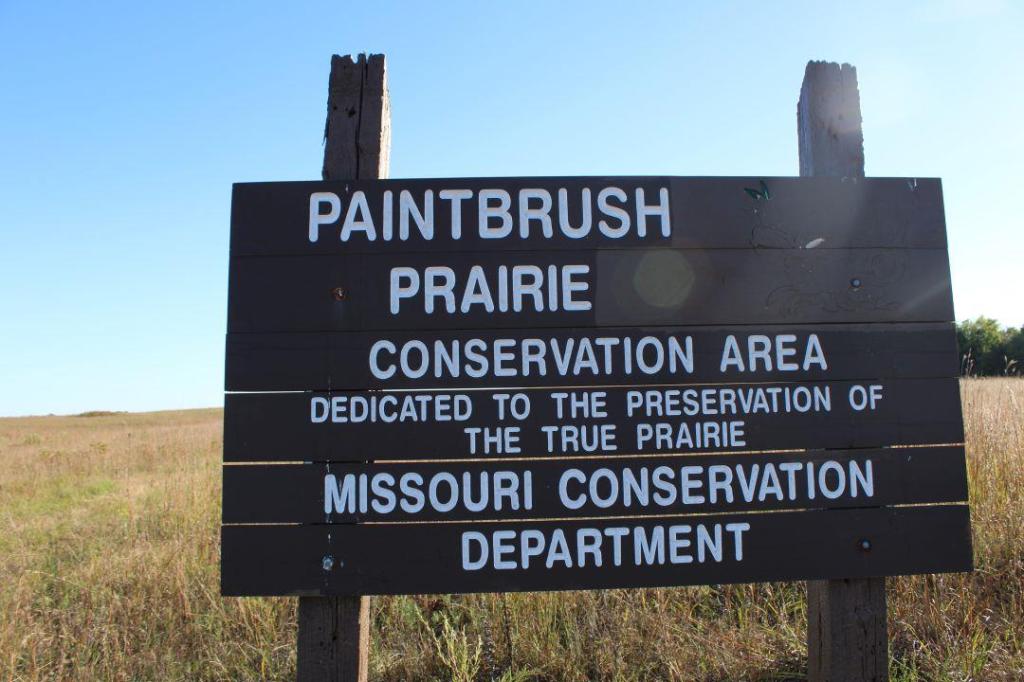
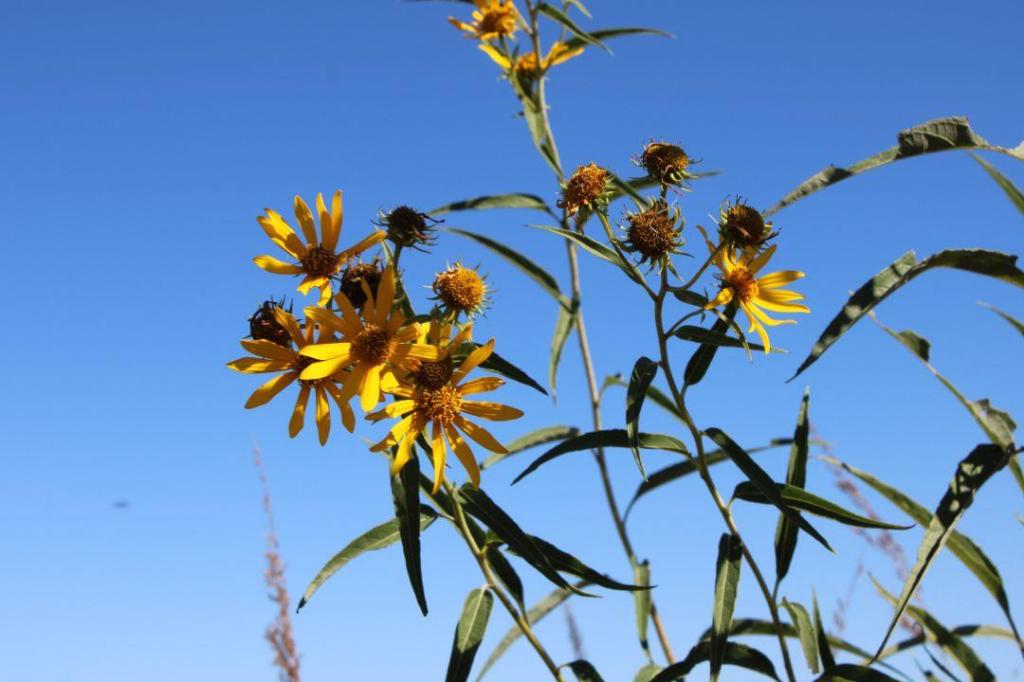
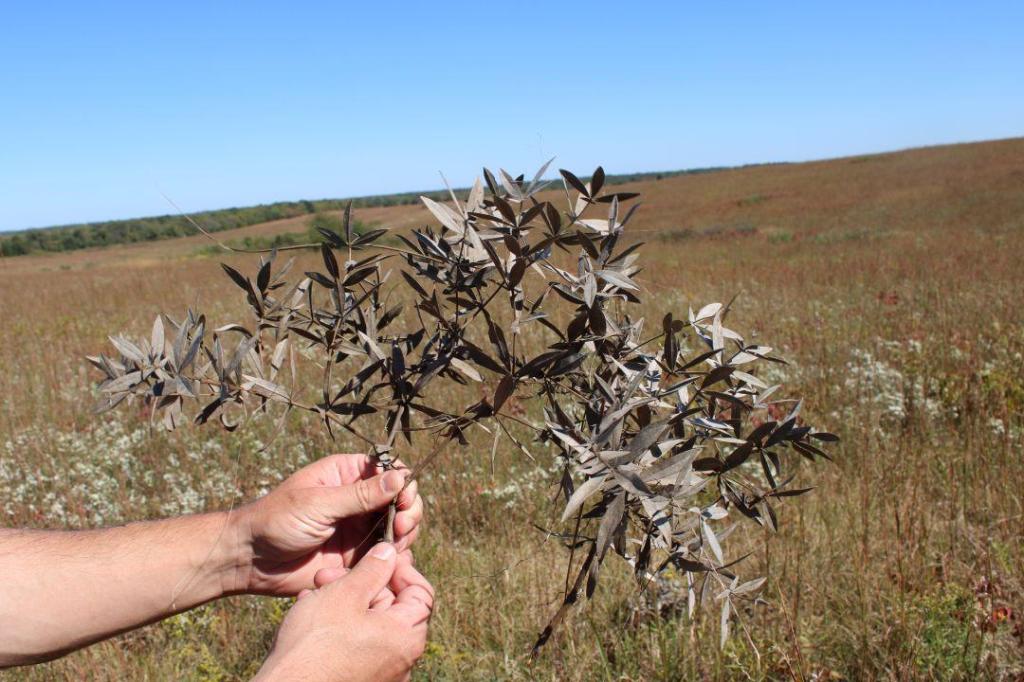
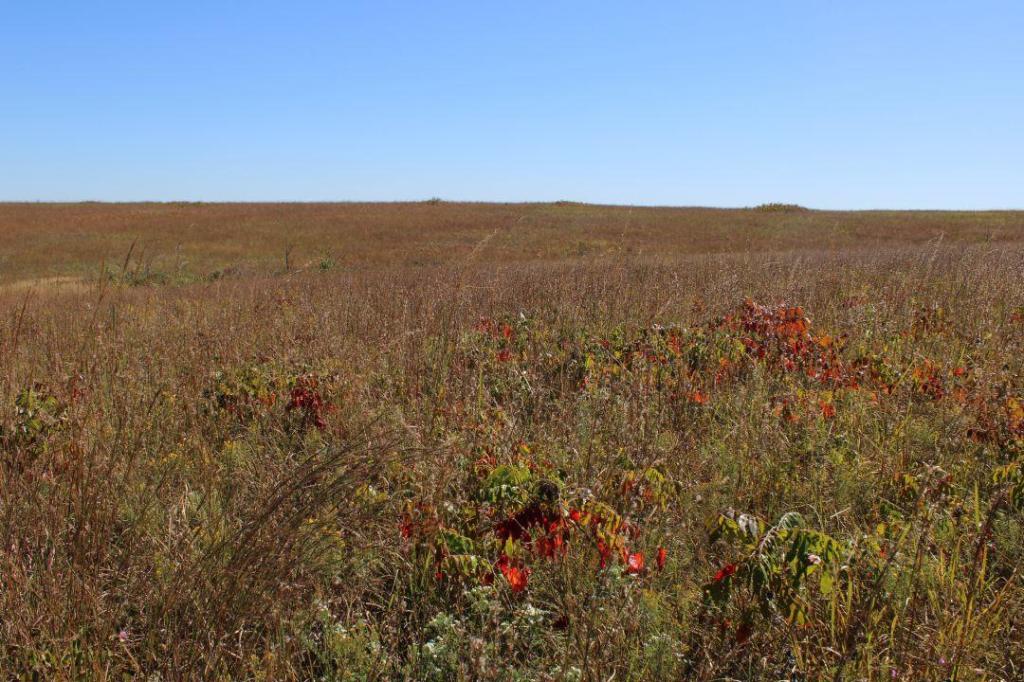
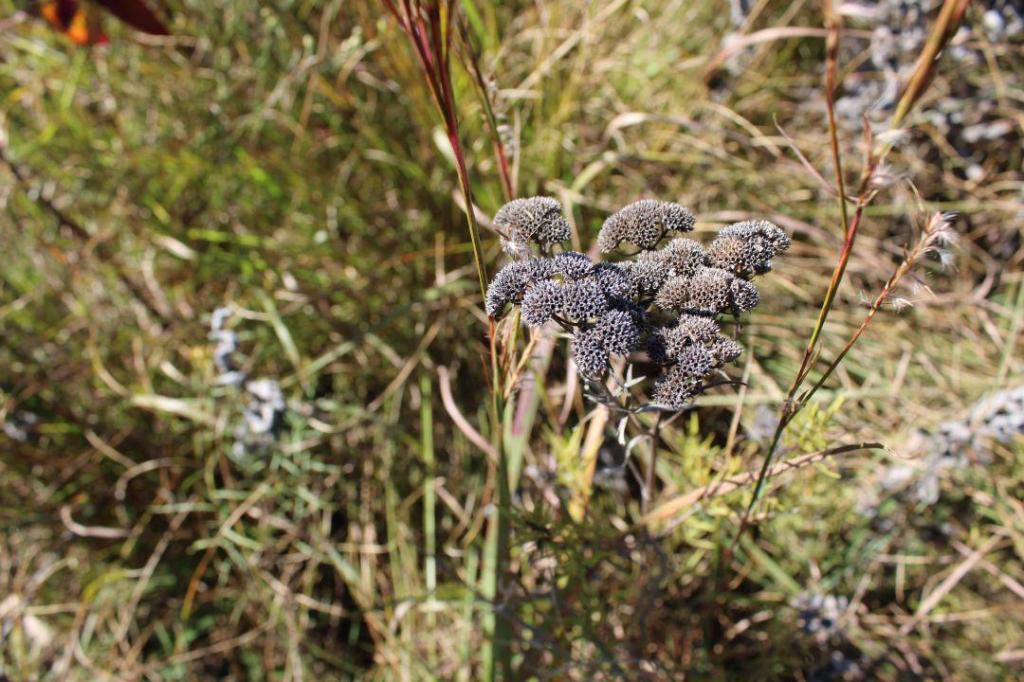
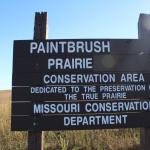
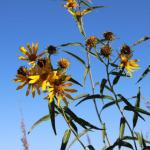
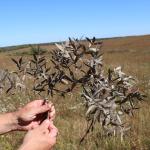
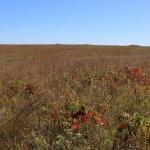
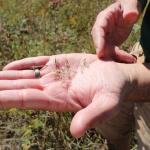
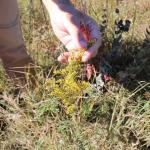
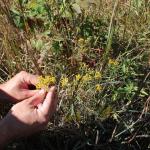
The waves of rust-hued tallgrass come into sight first. As autumn deepens, Paint Brush Prairie’s palette transitions from the verdant summer sea to dormancy; red, yellow, white and lingering green serve as the final colors before the land goes quiet.
A chorus of insects rises as vehicles turn onto the trailhead. Engines are cut, leaving only the faint hum of Highway 65 and life within the prairie. Bees traveling between flowers are interspersed with crickets and the occasional rustle of an animal unseen.
Stepping out of a Missouri Department of Conservation truck is Private Land Conservationist Assistant Evyn Perkins. For the past year, Perkins has helped landowners in Pettis and Benton counties reconstruct wooded areas–along with fallow and crop fields–back into the native prairies that once made up 73%of the region. Motivations for restoring this endangered ecosystem vary. Many are farmers looking for more sustainable forage.
Fescue, a commonly-sown grass for pastures and hay production, is a cool season crop. Spring and fall see an abundance of growth, leaving the sweltering summer months with less to offer. Farmers note a consistent weight in their grazing cattle as hardy native plants flourish three seasons of the year. Conservationists are provided the natural disturbance necessary to maintain such an environment.
Still, a true prairie–once tilled–is a bionetwork lost for good.
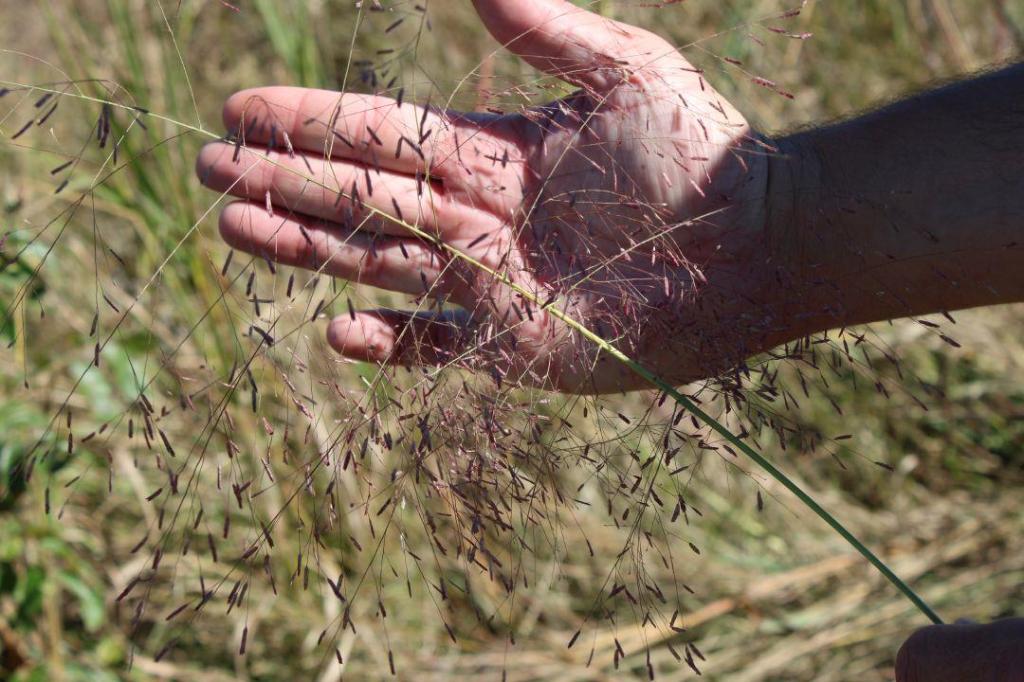
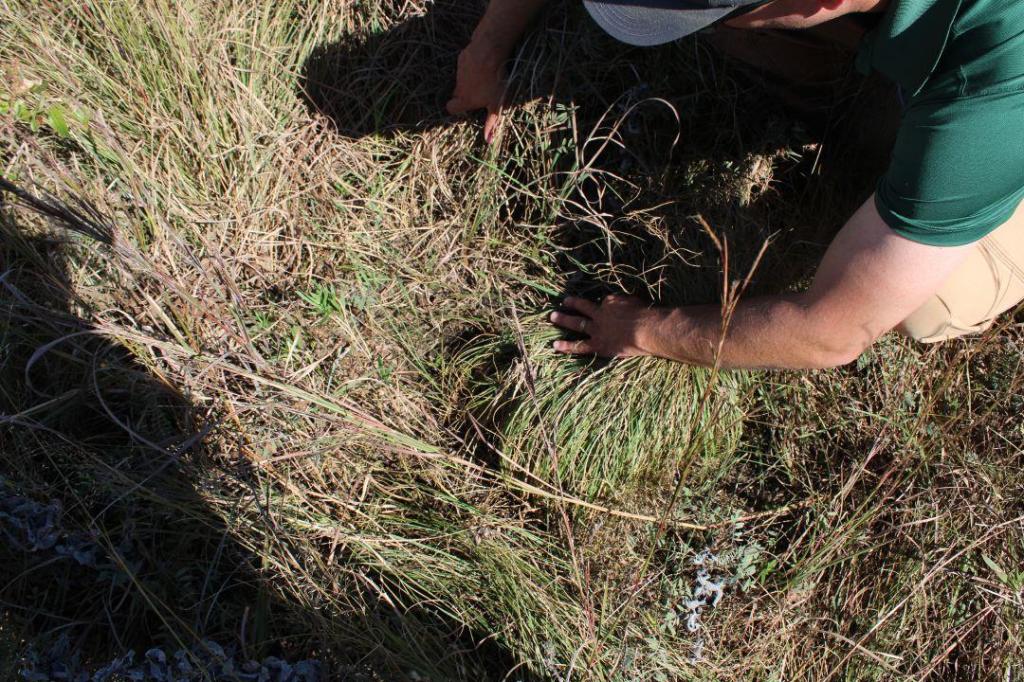
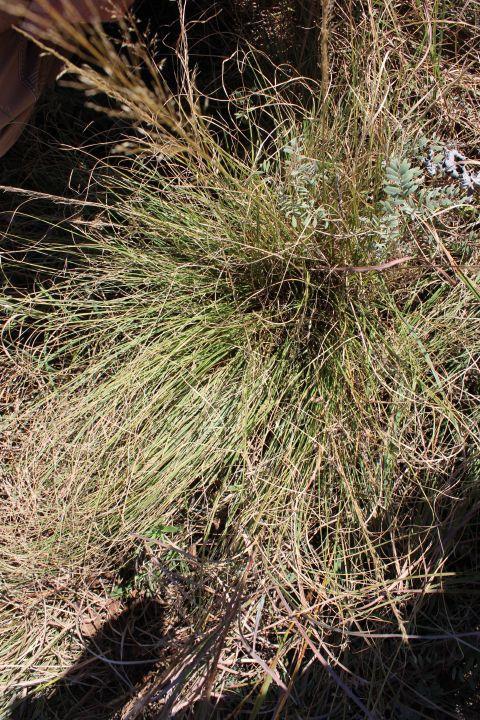
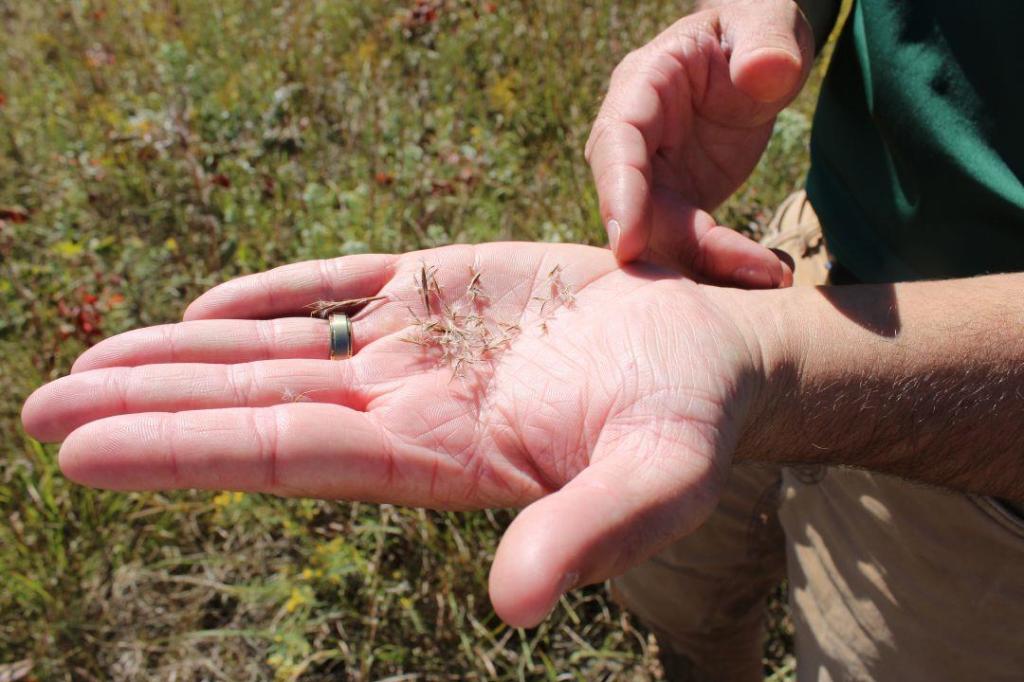
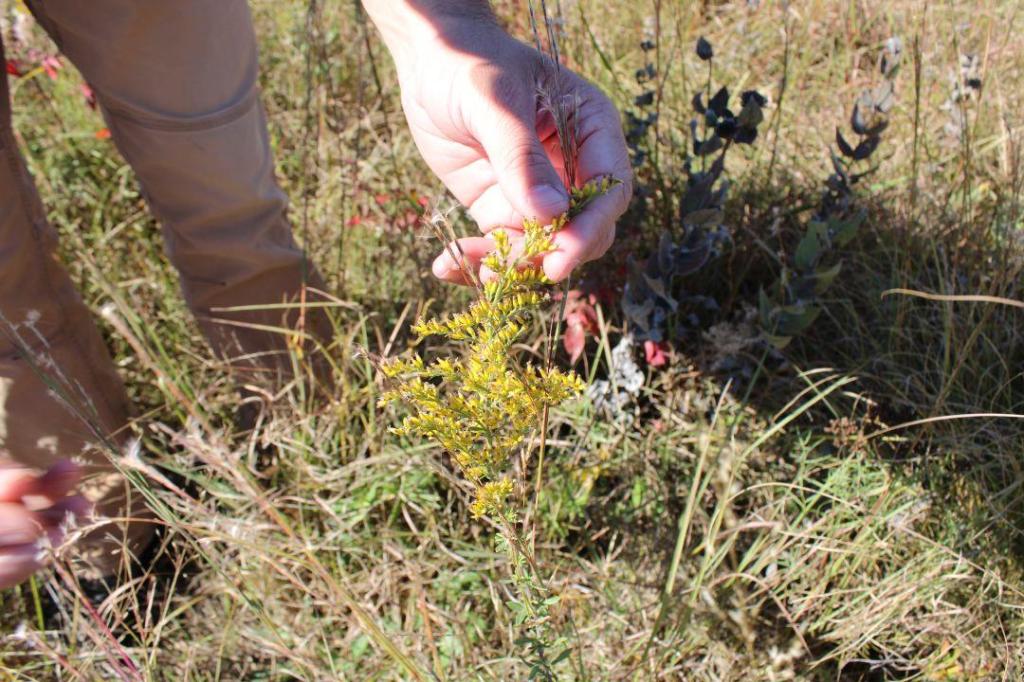
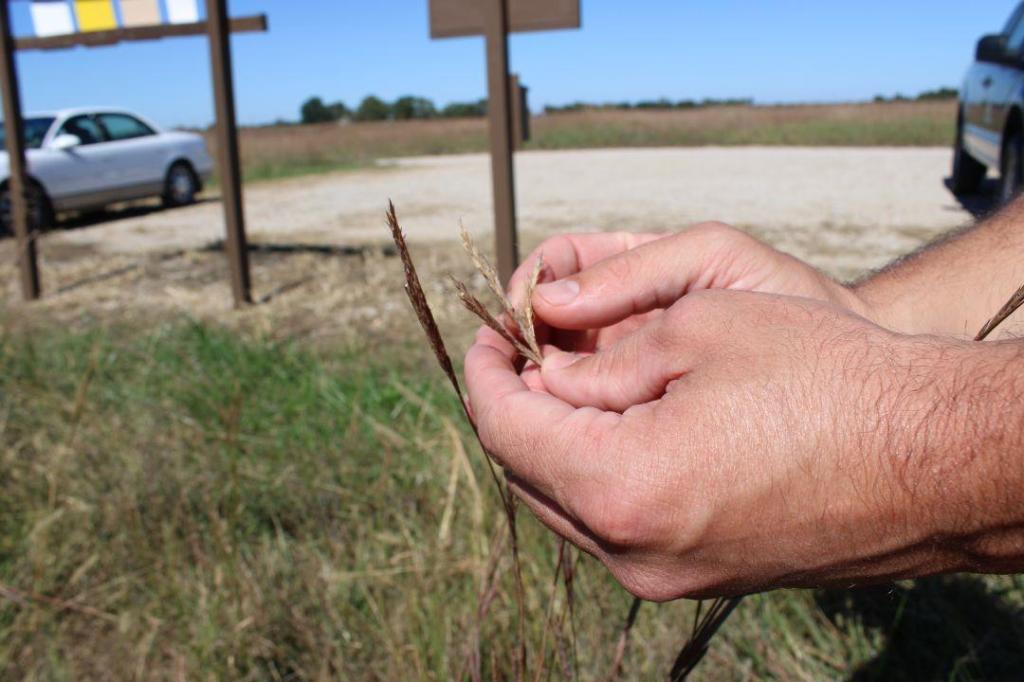
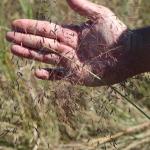
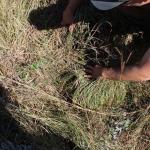
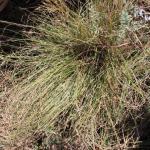
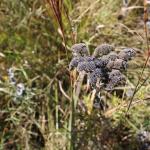
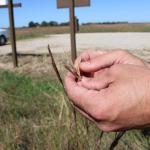
“This is one of our shining examples of remnant prairie,” said Perkins, motioning to Paint Brush’s expanse. Standing in the midst of it, it’s suddenly easy to imagine an October the way our ancestors may have seen it. Perkins steps forward and plucks a big bluestem. He splays the seed heads: “This is why it’s sometimes called turkeyfoot grass,” he says, holding the shape. “It’s part of what made up most tallgrass prairies in North America, and here,” he bends down, gathering a tuft of prairie dropseed nestled within. “When you pull this back, you can see ‘hallways’ around it; bunchgrass makes it easier for something like a baby quail to navigate. Non-native grasses tend to make carpets.”
Looking up, Perkins studies the horizon. “Actually, sometimes you can draw them in,” he says, mimicking a northern bobwhite quail call. He goes silent, waits. “Okay,” he laughs. “Maybe not today.”
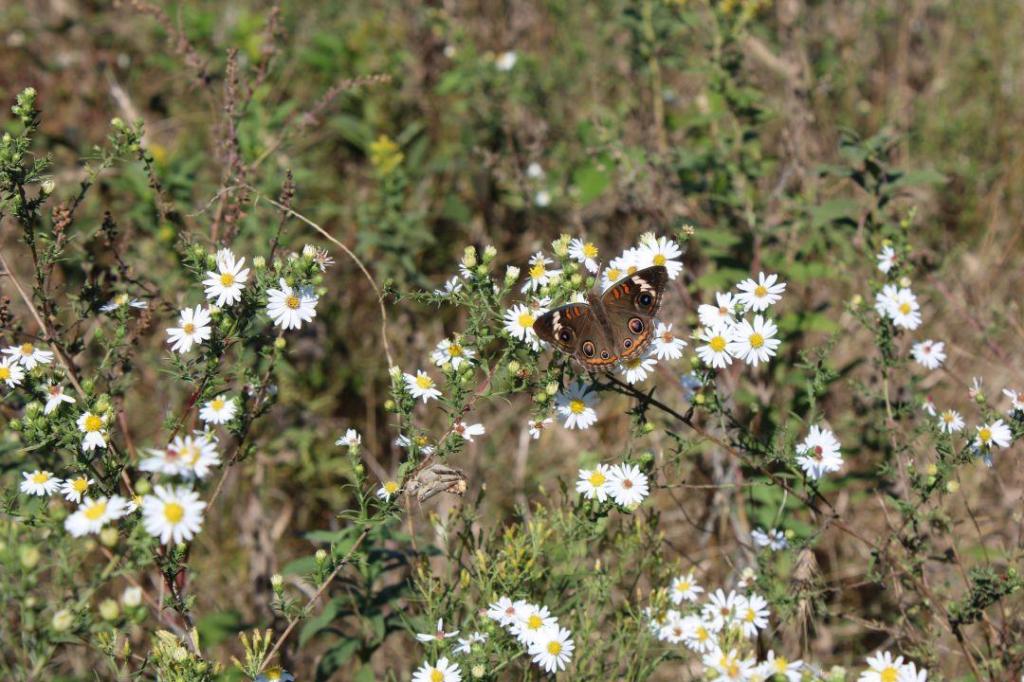
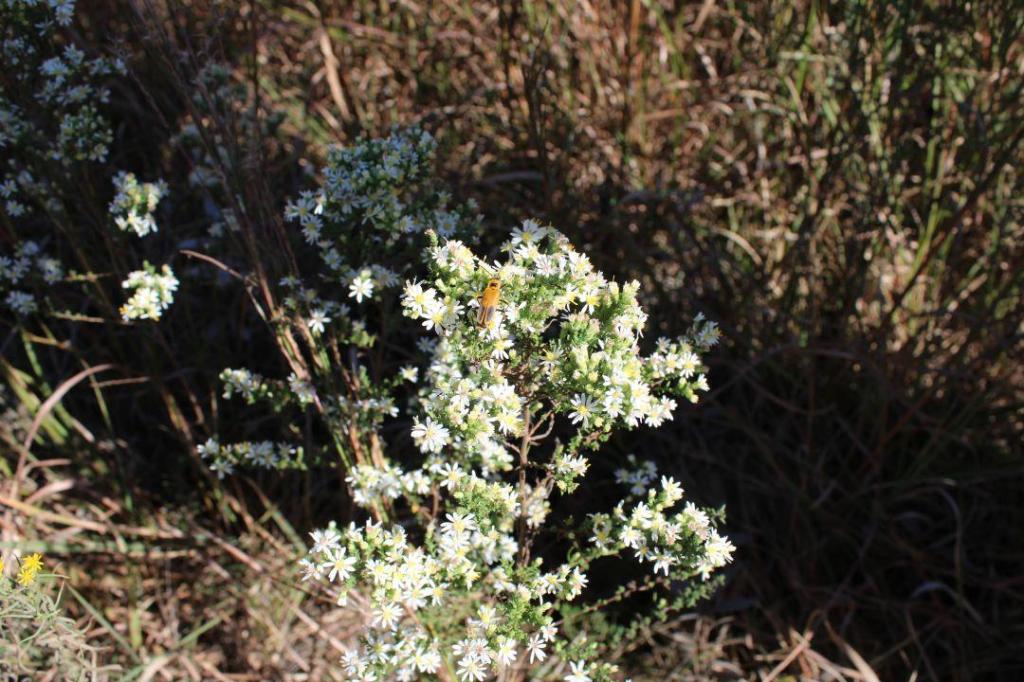
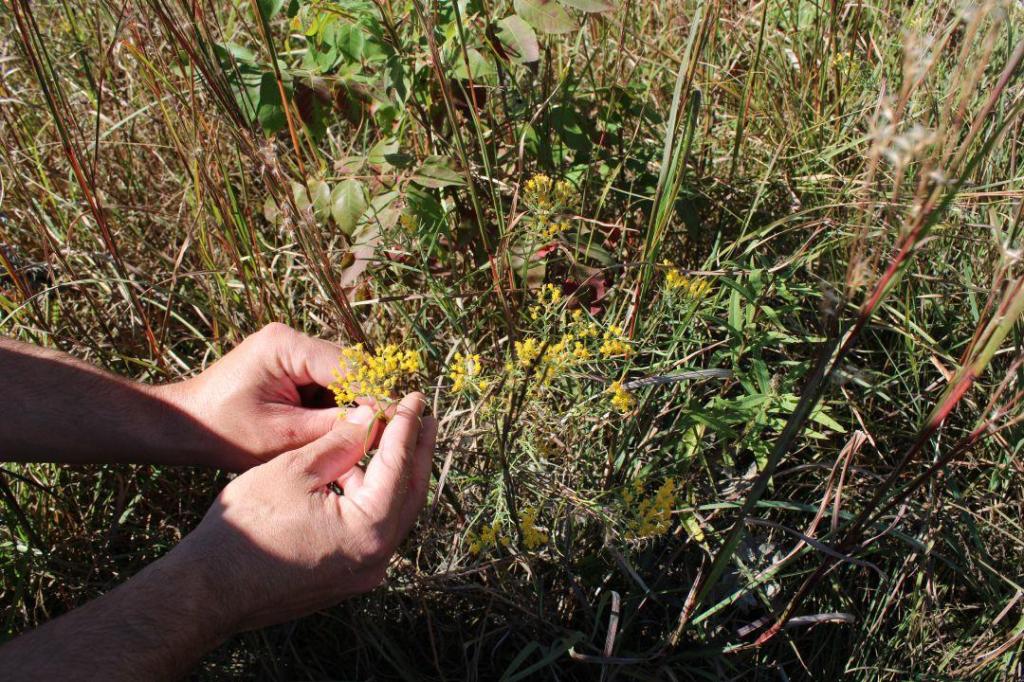
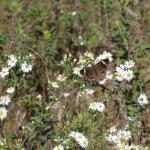
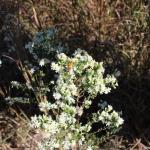
Rising from the spot in the grass, the sound of footfall ensues. Perkins’ excitement is contagious as he spots native plants like a kid discovering Easter eggs. Some of the prairie’s loveliest offerings are also its best pollinators: a common buckeye butterfly opens and closes its wings rhythmically on a white heath aster. Almost as soon as the butterfly is discovered, a soldier beetle lands. Remarkably similar to a firefly, this species is known for being active from summer to early fall.
“But, In the warm seasons, fireflies are everywhere,” Perkins said. “You won’t see displays like that in town… That’s why I love my job. Sometimes I think we lose good looking for great. Prairie restoration, yes it’s an approximation of the original, but we can bring back so much habitat for pollinators and native animals.”
So, if you’re considering sowing native seeds, when is the best time to start?
“Now, definitely,” Perkins said. “After choosing a site to prepare, we’re going to determine what kind of soil you’re working with and what the land was used for–was it used for corn or soybeans? Is it full of fescue? When we know what…we might be dealing with, that’s when we go in with a non-selective herbicide like glyphosate to knock back those invasive species. About one to two weeks later we can start drilling seed. They don’t need to be buried very deep, but they do need to get cold and wet to germinate.”
While the long, dark Midwestern winter may be known for its stillness, the underground world is as busy as ever. With root systems extending up to 15 feet deep, much of native plant’s energy is spent in establishment. Undoubtedly, the process is a study in patience–one the Missouri Department of Conservation gladly undertakes.
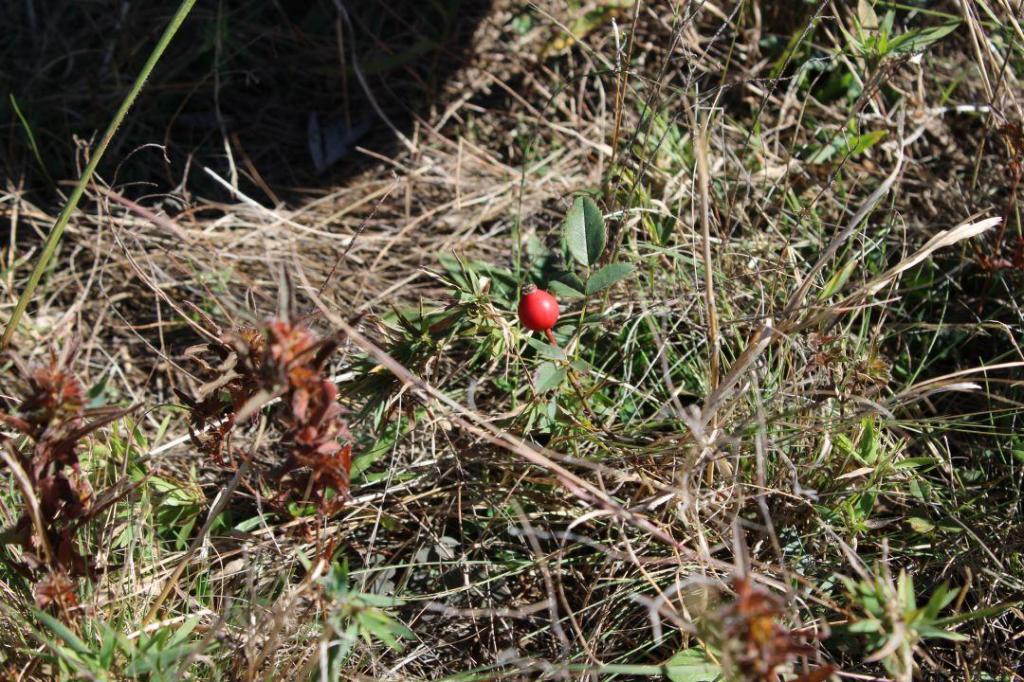
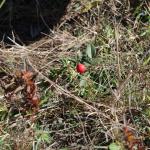
“A lot of my job is advice to landowners, and part of that is helping them find seed cost-sharing and knowing what’s going to be most beneficial on their property,” Perkins said as he stepped toward another of his favorites: Carolina rose. The bloom itself now gone, the plant is left with a bright red, Vitamin C-rich berry, one that will nourish the prairie’s birds and mammals until spring.
“I think it has a really light, peachy smell,” Perkins said, cracking the fruit with his thumbnail and taking in the scent. “I’m sorry,” he laughs. “We keep getting off track.”
Yet the perceived distractions are anything but. It’s not difficult to understand the prairie’s power, its necessity–its imperative place in nature. Circling back to the original subject, Perkins lists other reasons a landowner might seek a reconstruction.
“Farmers, someone looking for an alternative to mowing several acres,” Perkins said before pausing to think. “I had someone, actually, who grew up here and he’s in his 70s now. Land has changed so much in that time. And, he wanted it just because he said he misses the prairie.”
For more information on private land conservation in Pettis County, contact Dave Niebruegge at 660-460-4106 or by email at david.niebruegge.mdc.mo.gov.